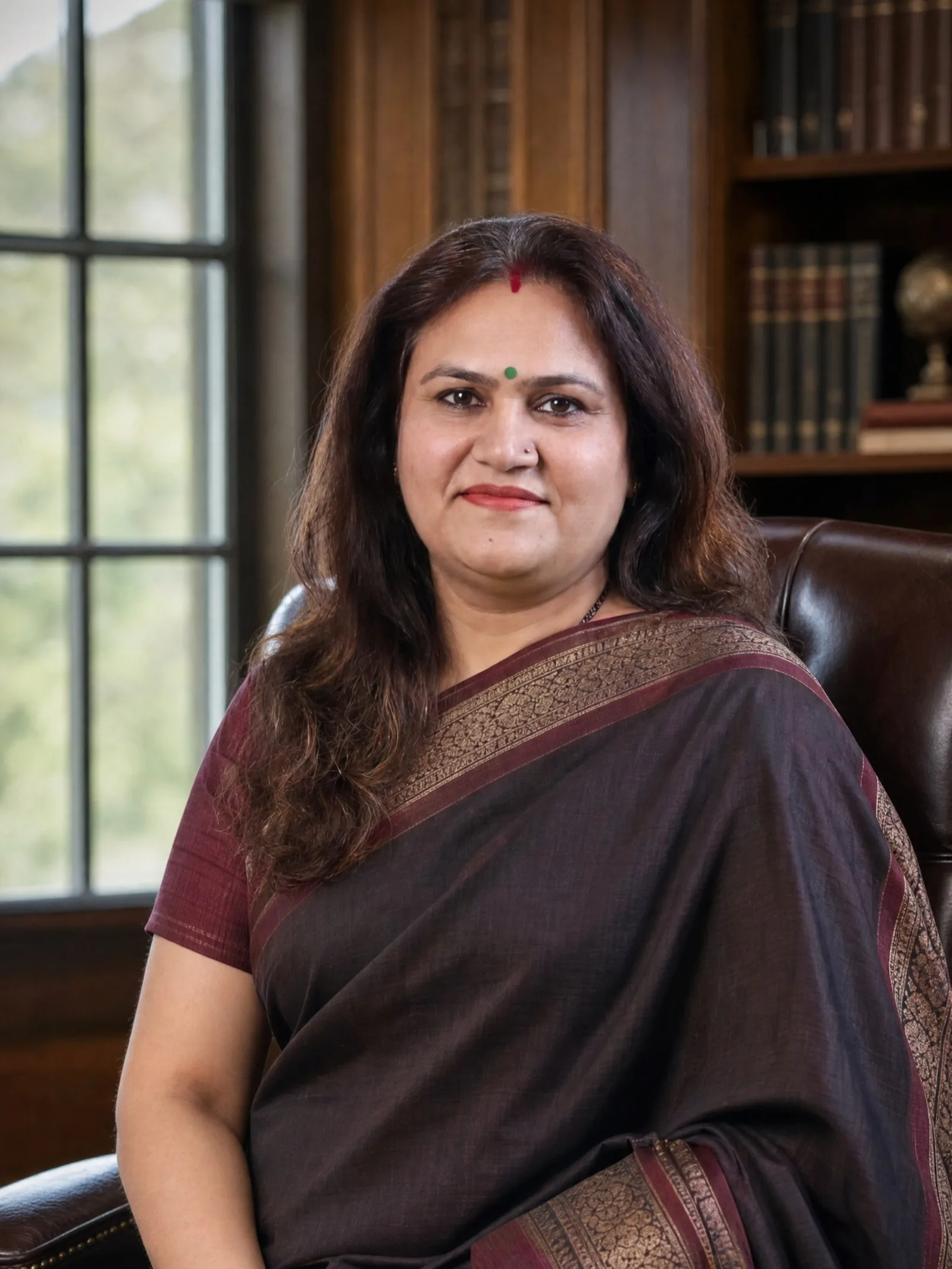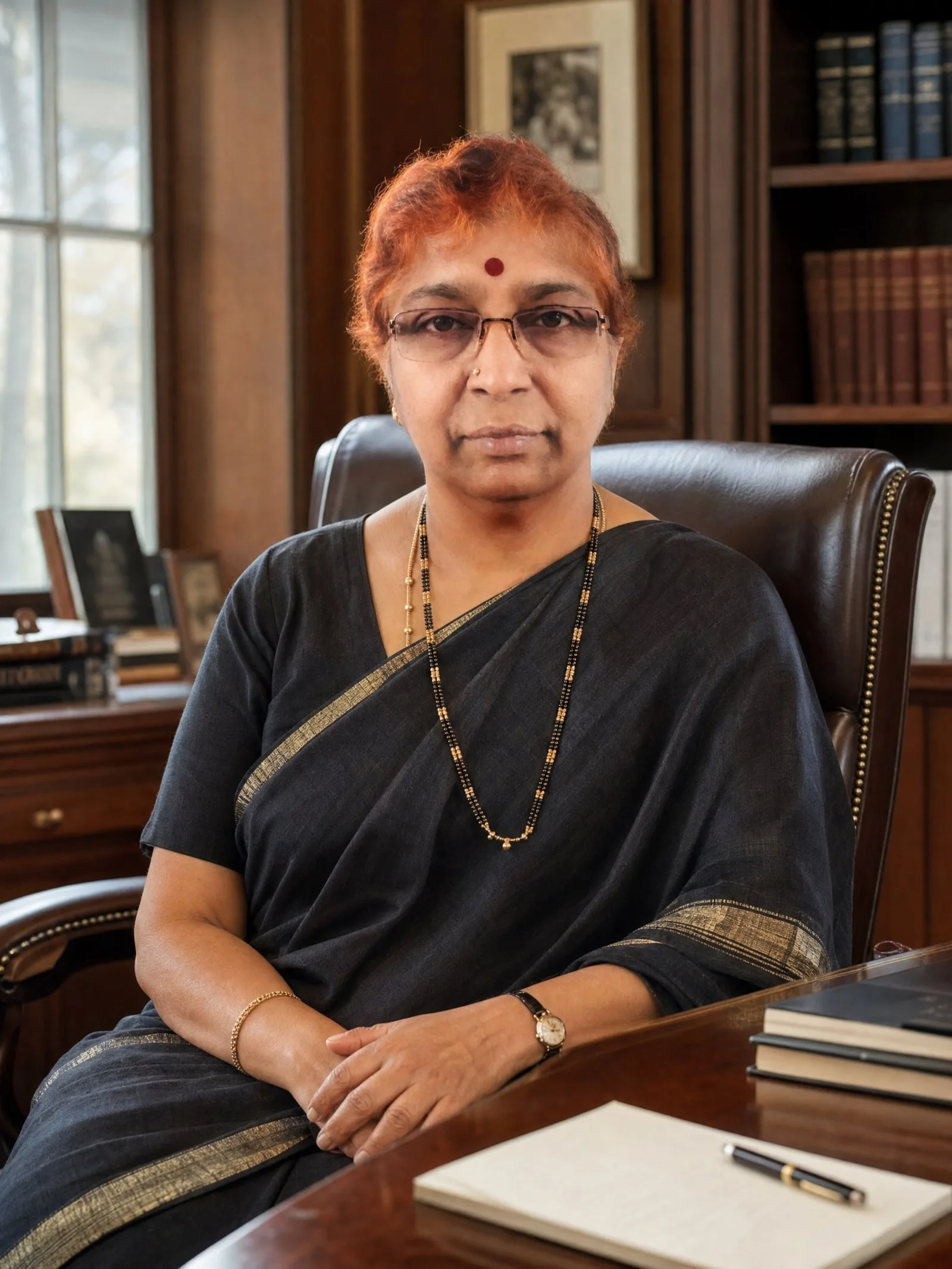
Academic journey
For twenty-five years Padmavati Pamarthy ran a school in Vinayak Nagar, Hyderabad. More than 8,000 underprivileged children passed through it, and the measure she offers of that work is not enrolment but destination: students from families with no such precedent became doctors, judges and District Collectors. Over twenty-five years, that is not luck.
Since 2002 she has served as the Pratinidhi of the Kasturba Gandhi National Memorial Trust, where the work is rescue as much as education. Under her stewardship the Trust has sheltered more than 1,200 vulnerable women. Forty have been placed into multinational employers including Facebook, Cognizant and CYIENT; 750 have been restored to their families; and 297 survivors of human trafficking have been rehabilitated. Each of those numbers is a different kind of case and a different length of work.
She has also served inside the statutory system that decides what happens to children in care, spending ten years across three terms as Chairperson of the Child Welfare Committee for the Ranga Reddy and Medchal-Malkajgiri district. Her administration of the committee was publicly commended by Justice Rohini for setting benchmarks in child protection practice.
The advocacy has run upward from the casework. She has taken part in statutory consultations on the Juvenile Justice Act and the Sexual Offences Bill, helping shape national policy from the position of someone who has to implement it. She has represented regional human rights concerns to the National Commission for Protection of Child Rights, and at international forums including the Nobel Peace Laureates Summit in Mexico and Stanford University.
Her academic foundation — an M.Phil. in Education and two Master's degrees — sits behind all of it, but the pattern of the career is the reverse of the usual one. The institutional gaps she works on were identified from the classroom and the shelter, and the policy argument was made afterwards.