Academic journey
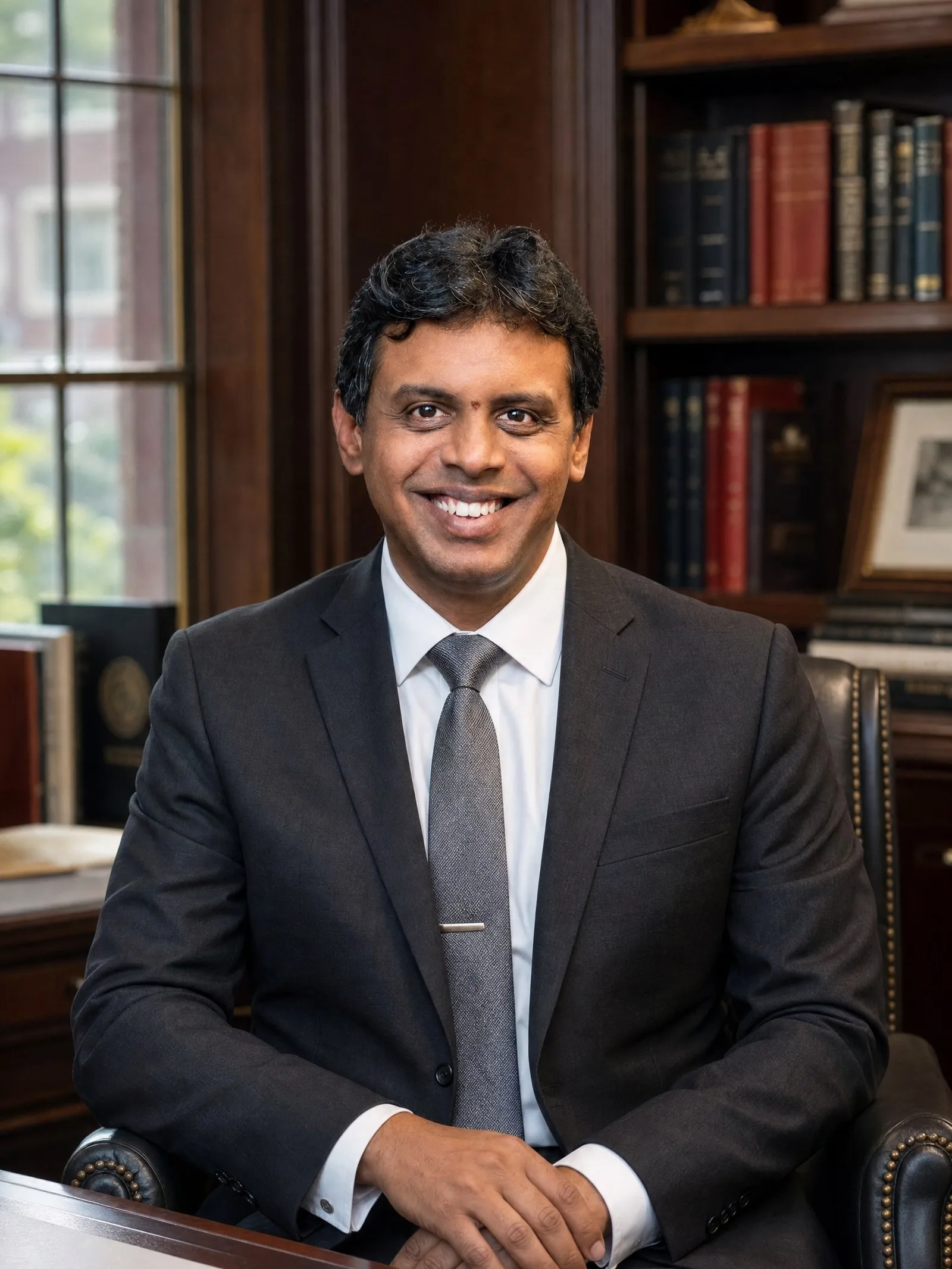
Phalgun Rudrapatna's career began where most consulting careers do not: on the shop floor. A bachelor's degree in engineering in Manufacturing Science and Technology took him into the engineering industry, where machines, operating mechanisms, production systems, quality discipline and process control were not abstractions but the day's work. At Wendt India and Kennametal India he learned productivity, quality, delivery performance and customer commitment from the equipment itself.
That grounding has shaped everything since. Postgraduate qualifications in Operations Management and Supply Chain Management gave the practice a vocabulary, and a Lean Six Sigma Black Belt gave it a method: the ability to find where a process leaks, to reduce variation rather than treat symptoms, and to build an improvement programme that can be audited. For the past fifteen years he has applied that method almost entirely within the pharmaceutical sector.
As a Partner with Ernst & Young he leads transformation engagements across a broad span of the pharmaceutical value chain — growth and market-entry strategy, portfolio strategy, research and development, manufacturing, quality, procurement, supply chain, planning and organisational effectiveness. The engagements are measured in the usual terms, in manufacturing efficiency, delivery reliability, cost and EBITDA. His own measure is a different one: whether the client can still run the system a year after the consultants have gone.
The digital half of the work follows the same principle. Dashboards, performance-management systems, analytical decision-support tools, supply-chain optimisation and AI-enabled applications have all featured in his engagements, always paired with the governance and the trained teams that make them hold. Technology that is not integrated with clear processes, disciplined review and measurable objectives, he argues, is automation rather than transformation.
He leads multidisciplinary teams drawn from strategy, operations, finance, digital transformation and organisational consulting, and works alongside client functions from research and development and manufacturing through to quality, procurement and planning. Mentoring is the part of the work he describes as most fulfilling — the transfer of knowledge and judgement to the people who will have to sustain the system once the engagement closes.