Academic journey
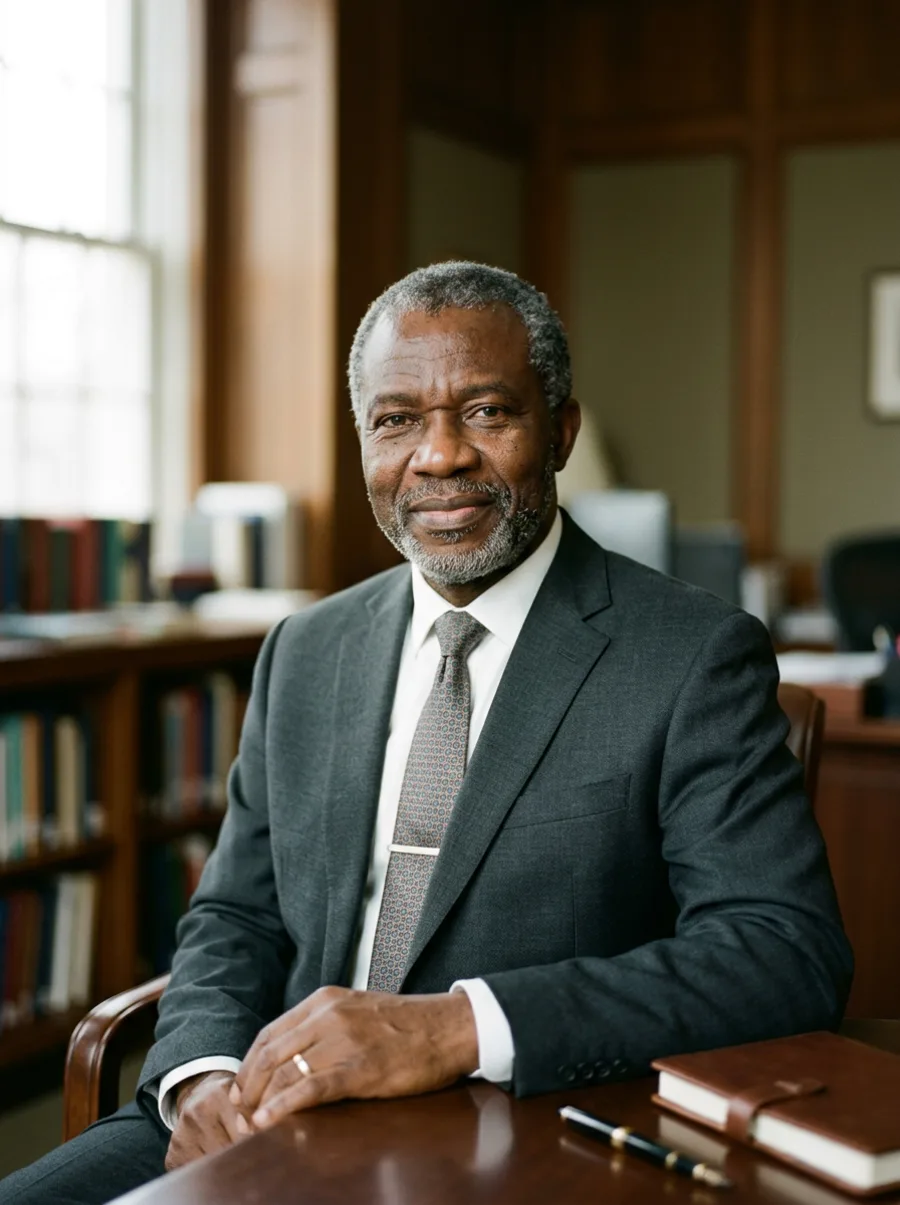
Kwame Osei has spent thirty years on a single institutional argument: that epidemiological capacity must be resident rather than visiting. He trained in medicine at Legon, took a doctorate in epidemiology, and returned to a department that at the time sent most of its data abroad for analysis.
He set about changing that, largely through the unglamorous work of building a laboratory, a data unit and a doctoral programme in sequence. The programme has now produced sixty-three graduates, the majority of whom have remained in West African institutions — a retention figure he cites more readily than his own publication count.
His research contribution has been in the design of surveillance systems suited to health systems with intermittent connectivity and limited laboratory throughput. The methods are deliberately modest in their data requirements, a design choice that has drawn criticism from reviewers accustomed to richer settings and gratitude from ministries that have to operate them.
As Dean of Research he has overseen the establishment of a regional data-sharing framework across four countries.