Academic journey
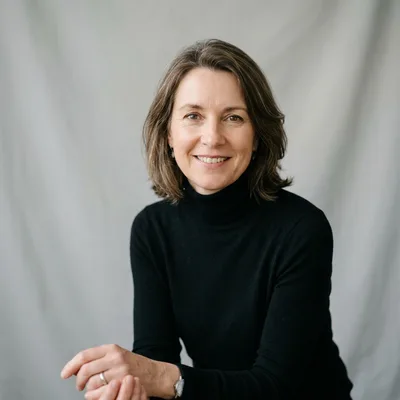
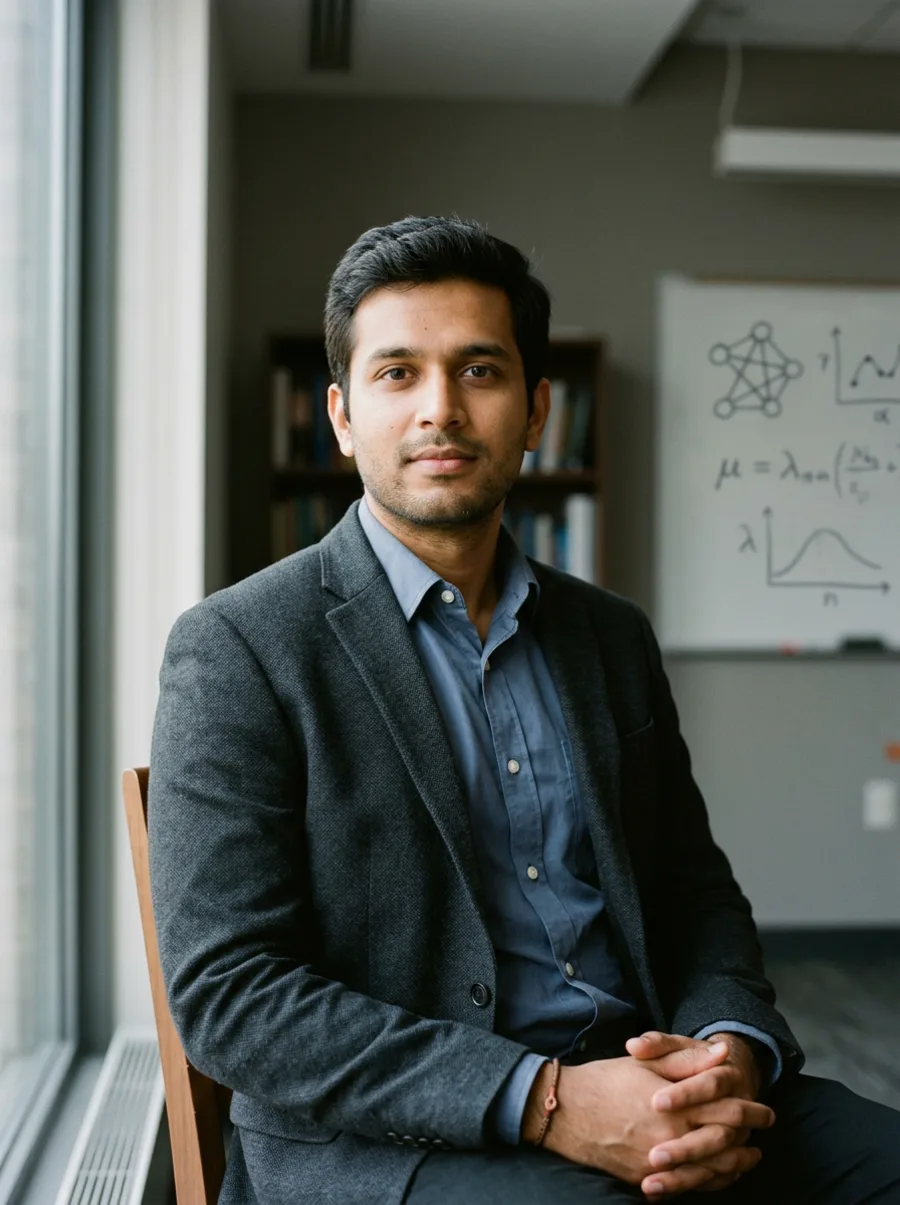
Aditi Sharma grew up in Pune in a household of physicians and was, by her own account, the disappointment who preferred mathematics. She took a bachelor's degree in electrical engineering at IIT Bombay before discovering, in a final-year project on signal processing for EEG data, that the two vocations were not in fact opposed.
Her doctoral work at Cambridge examined whether the fine temporal structure of neural recordings carries information about degenerative change long before that change becomes clinically legible. The question was not new. What was new was the availability of longitudinal datasets large enough to test it, and the willingness of her department to let a doctoral candidate spend eighteen months on data curation before producing a result.
That patience shaped her methodological convictions. She is unusually vocal, for a computational researcher, about the limits of retrospective validation, and her group now runs prospective studies in collaboration with three memory clinics — slower work, and considerably harder to publish.
She holds a joint appointment between the Department of Engineering and a clinical neuroscience unit, and supervises doctoral students from both.